
The Room would Split open
Tempo Dance Festival 2026
Q Theatre 17th - 18th October
8pm & 6pm
A body does not reorganise alone.
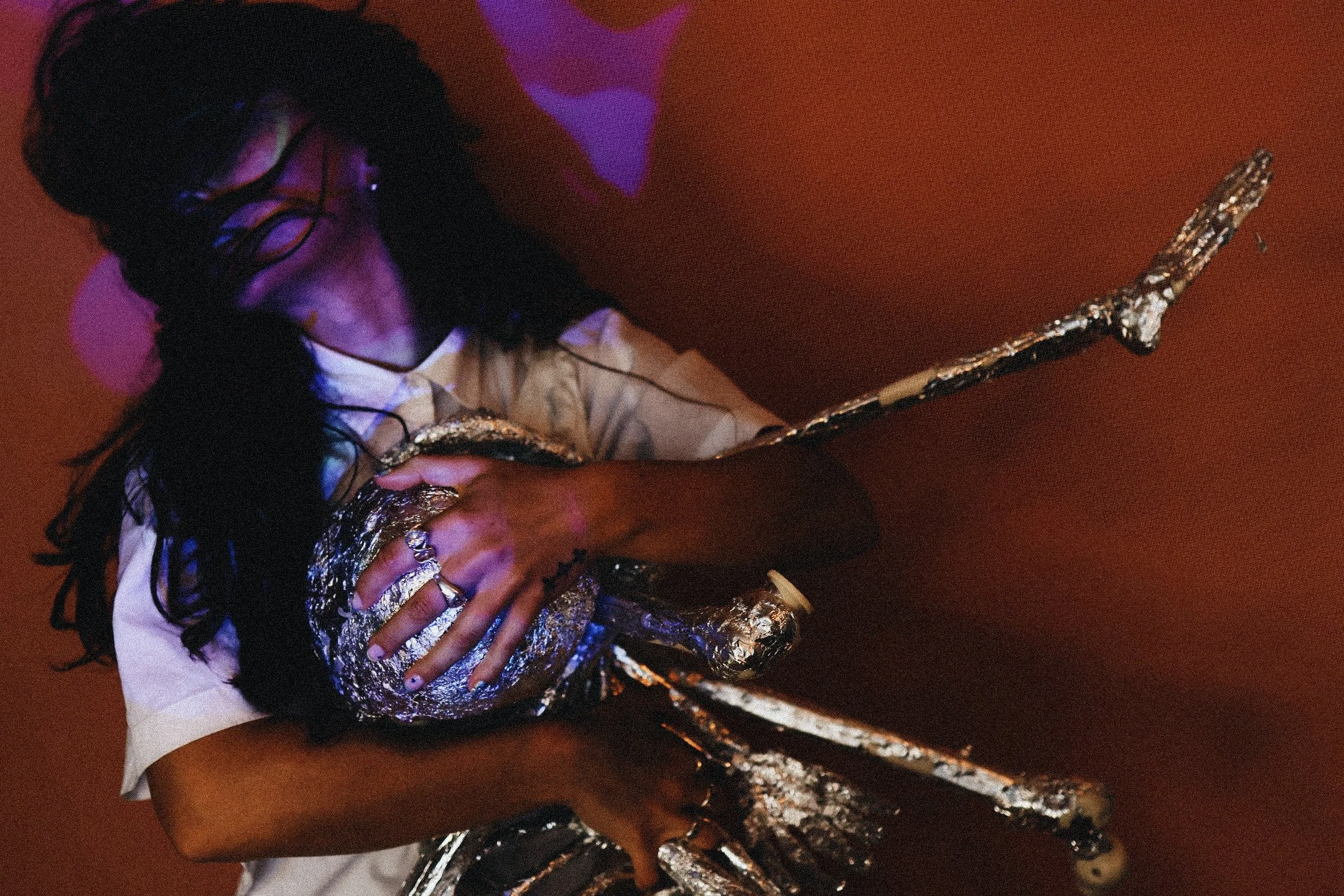
Directed by Kelly Nash, The Room Would Split Open is a surreal choreographic world of strange bodies, unstable identities, awkward encounters and shifting relationships. Humour, absurdity and theatrical play sit alongside questions of memory, adaptation, desire, protection and connection.
The work grows from Nash’s earlier work MEME skin, revisiting its heightened characters, fractured images and playful transformations while opening the material into a new choreographic investigation.
Bodies distort, disguise, imitate, resist, collapse and recover. A gesture can become ridiculous, tender or threatening depending on who receives it. Characters carry private agendas and bodily histories that are never fully explained. What appears comic or absurd on the surface may also be a body finding a way to organise itself.
Through touch, pressure, weight, balance and relational scores, the performers negotiate how much to yield, how much to hold, and how to remain responsive without losing their own centre. Choreography emerges through the unstable space between people rather than being imposed entirely from outside.
The work is part of Kelly Nash’s ongoing Somatactics research, exploring how embodied history, perception and relational intelligence can generate choreography. Emerging from this research is Hono, a developing practical methodology for bodies in relationship.
The Room Would Split Open carries traces of both MEME skin and Mythosoma, but moves somewhere less resolved: into a world where bodies are funny, unreliable, intelligent and strange — and where transformation can be playful as well as profound.
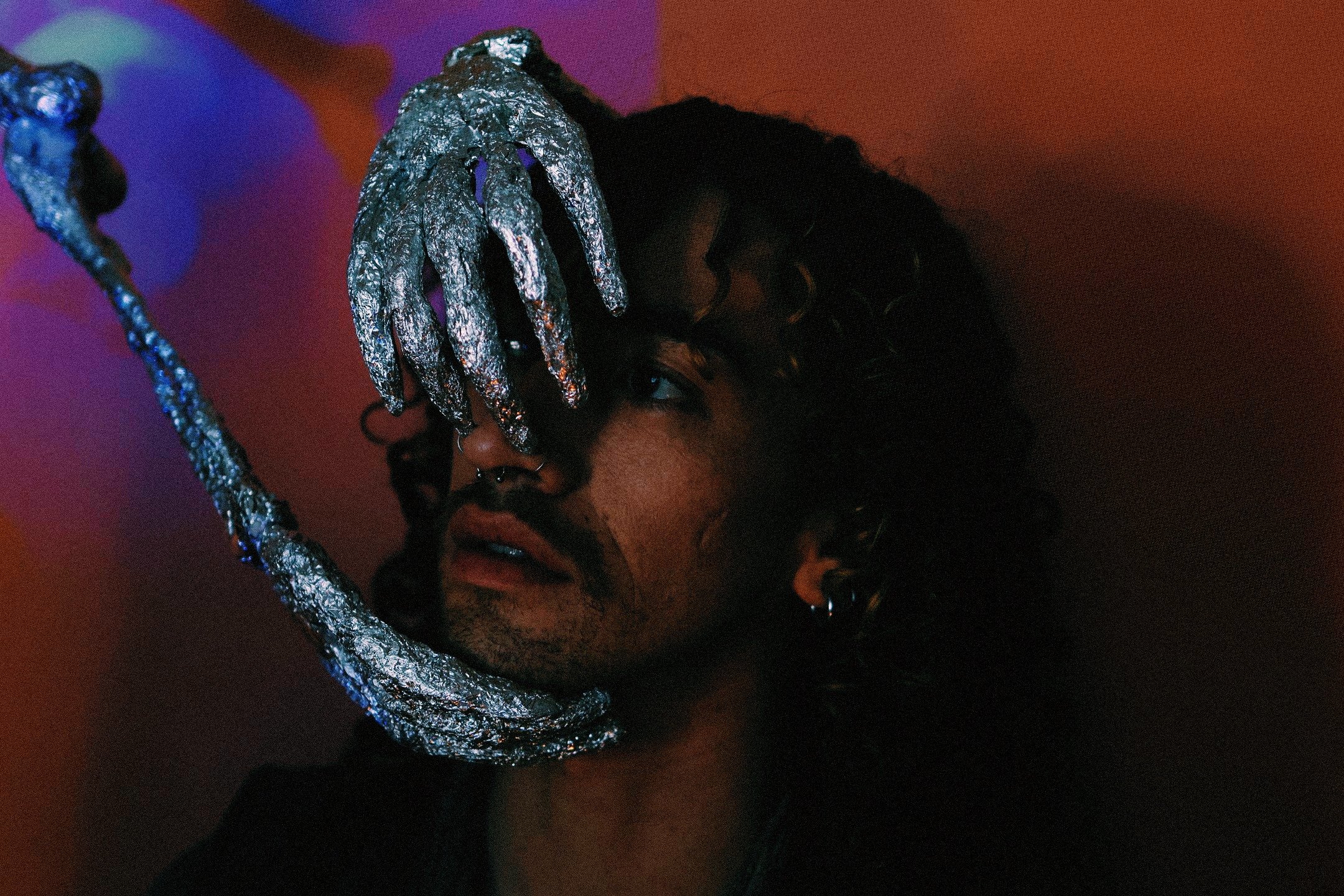
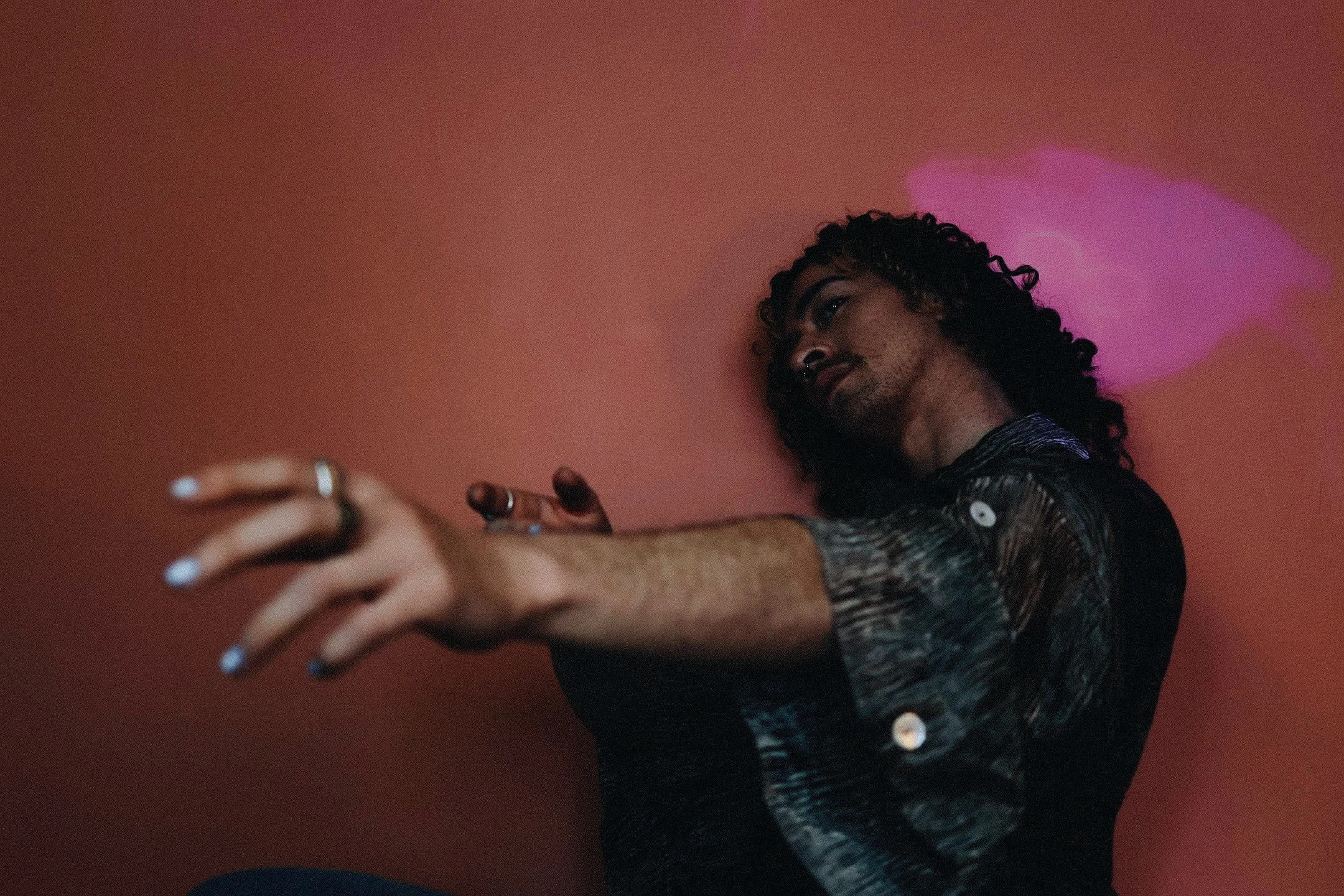
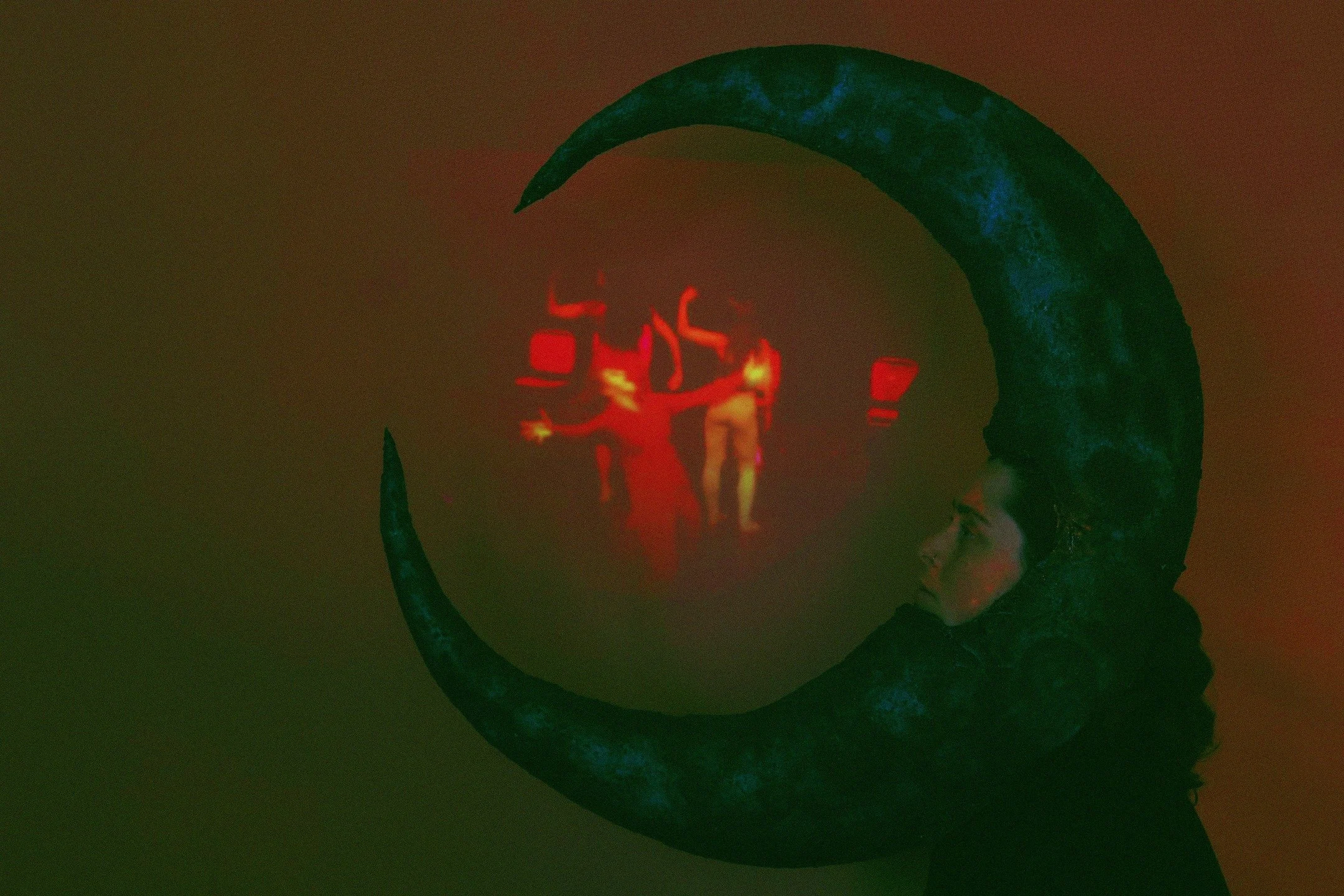
Limbs of a w(o)man
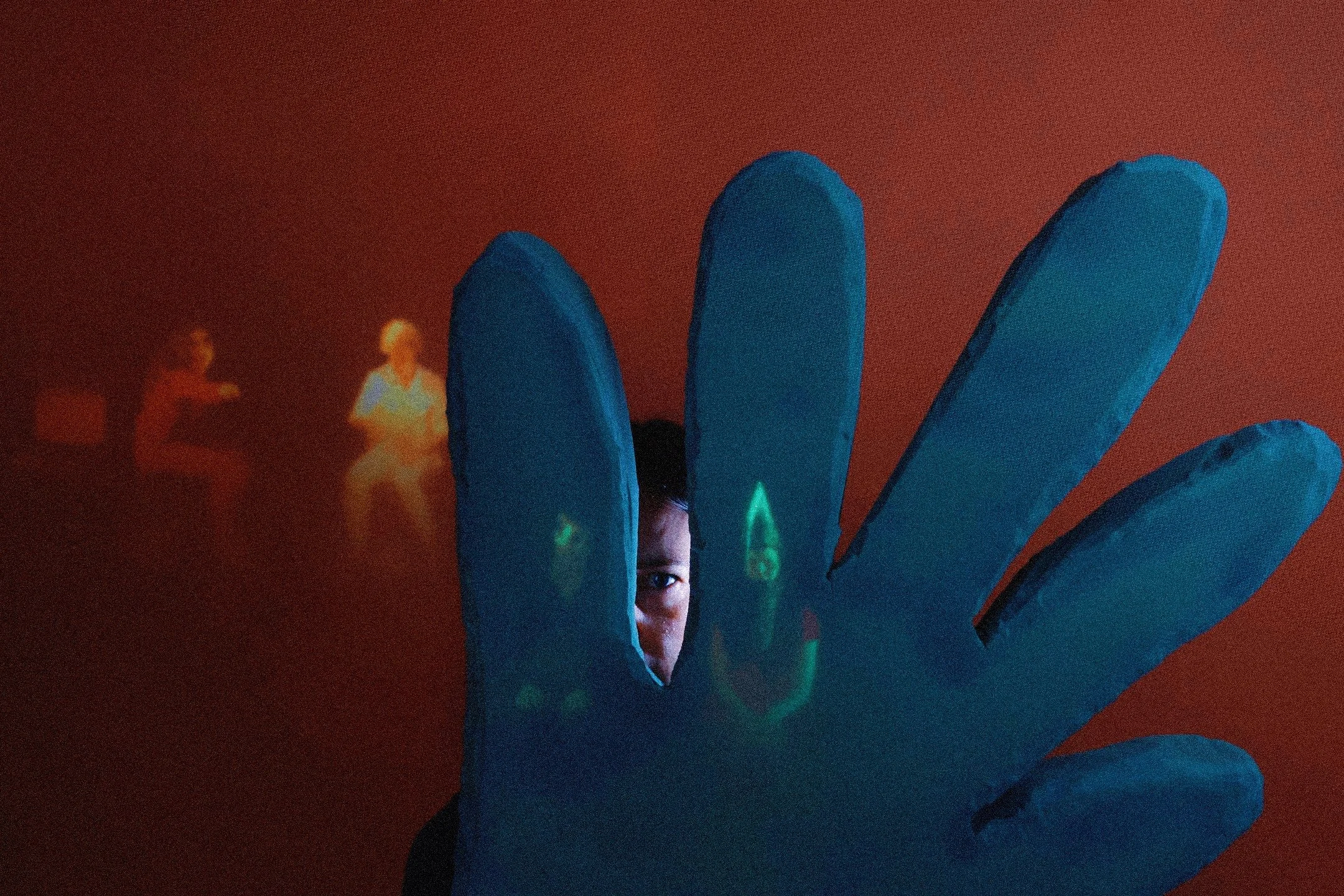
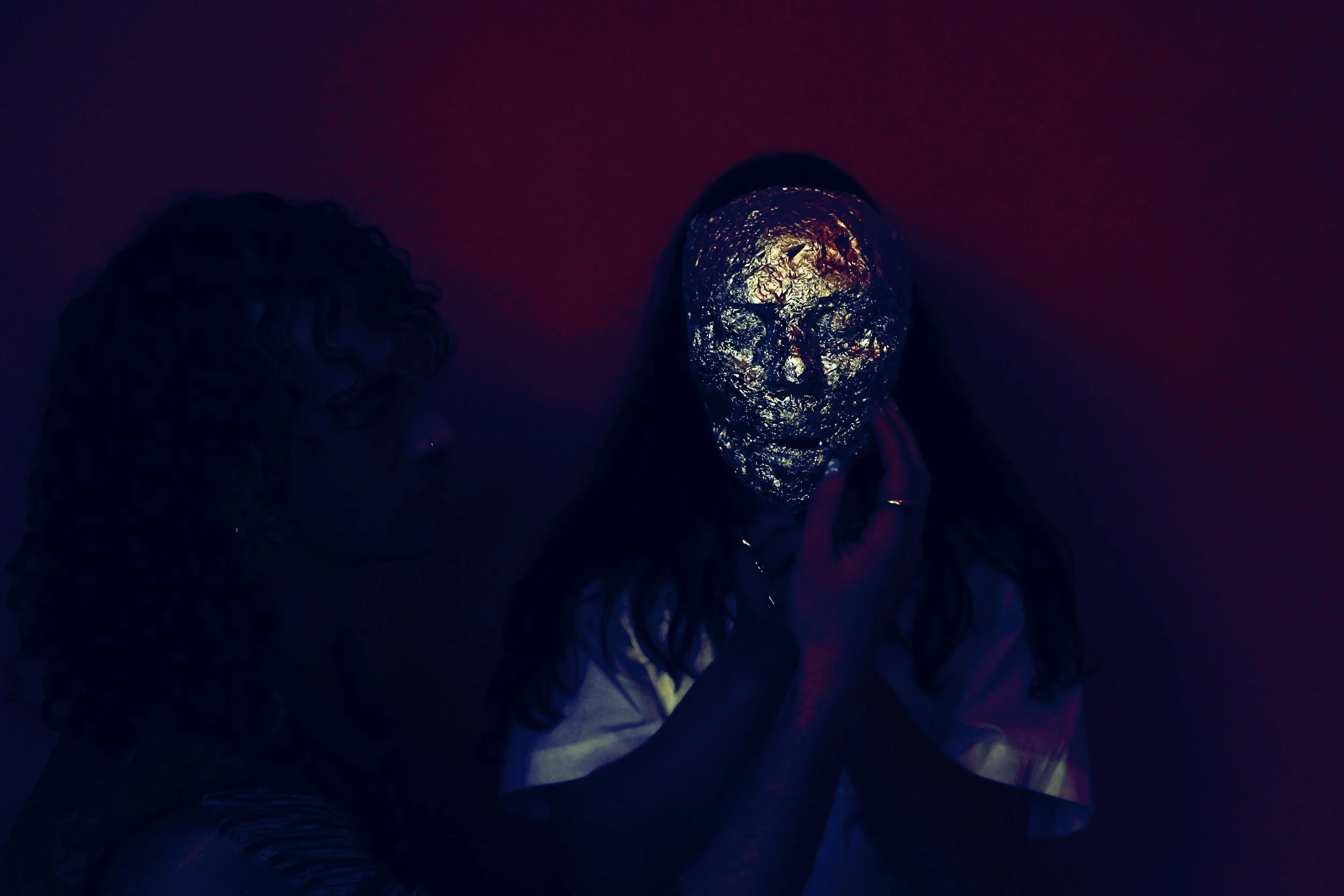
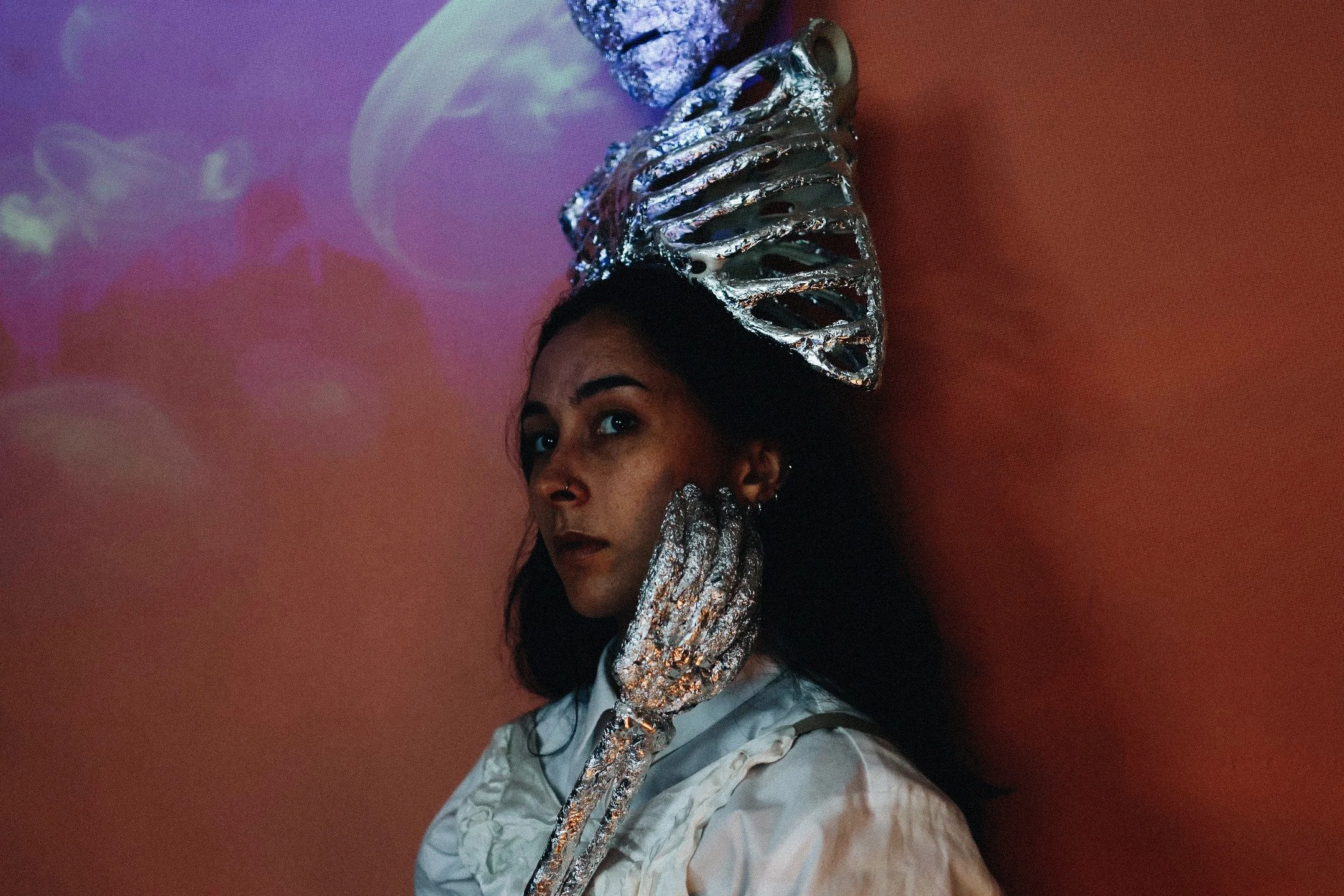
Limbs of a W(o)man is a 15-20min gallery-based dance performance examining the body as site of structure, and inheritance. Presented within visual art contexts, the work activates space through repetition, restraint, endurance, and subtle relational exchanges between 2 performers and audience.
Operating at the intersection of choreography and live art, the piece invites viewers to encounter the body as sculpture, archive, and living tension field. Themes of lineage, autonomy, vulnerability, and structural expectation unfold through a contemporary dance duet,
The work is adaptable for galleries, museums, and site-responsive contexts, and can be accompanied by artist talks or embodied workshops.


